LOOKING FOR A WEDDING PLANNER SPAIN? THESE ARE THE 12 KEY AREAS YOU NEED TO UNDERSTAND BEFORE YOU BEGIN.
Planning a wedding abroad should be an exciting experience. However, organising everything from another country involves many decisions that couples may not initially anticipate.
The term Wedding Planner Spain covers a much broader service than many international couples expect. Choosing a beautiful venue is only the beginning. The budget, contracts, suppliers, design, catering, transportation, accommodation and complete wedding-day timeline must all work together.
These are the 12 key areas involved in planning a destination wedding in Spain. For couples searching for Wedding Planner Spain services, understanding these different areas before making any bookings can prevent costly mistakes and unnecessary complications.
1. Choosing the Right Wedding Venue
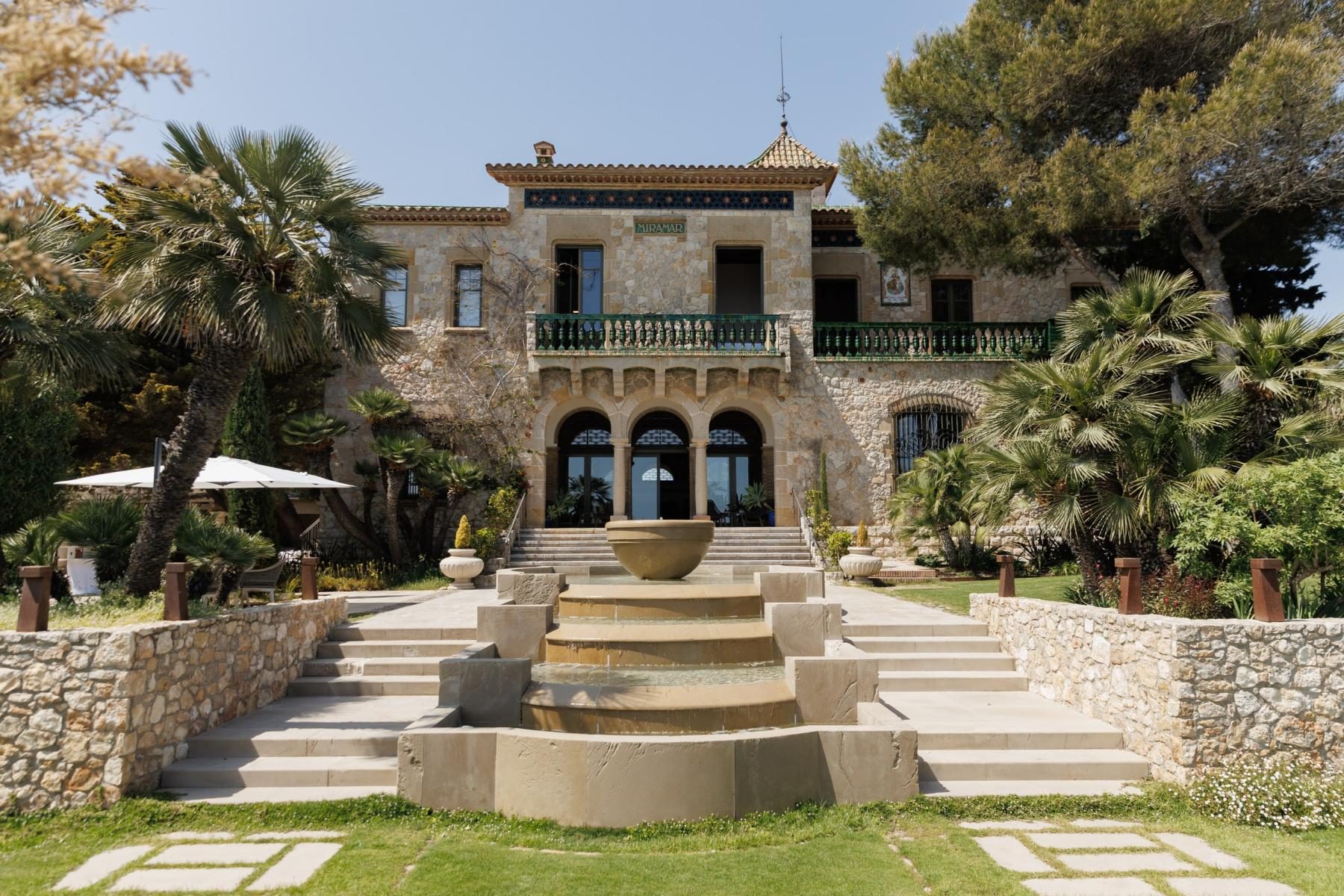
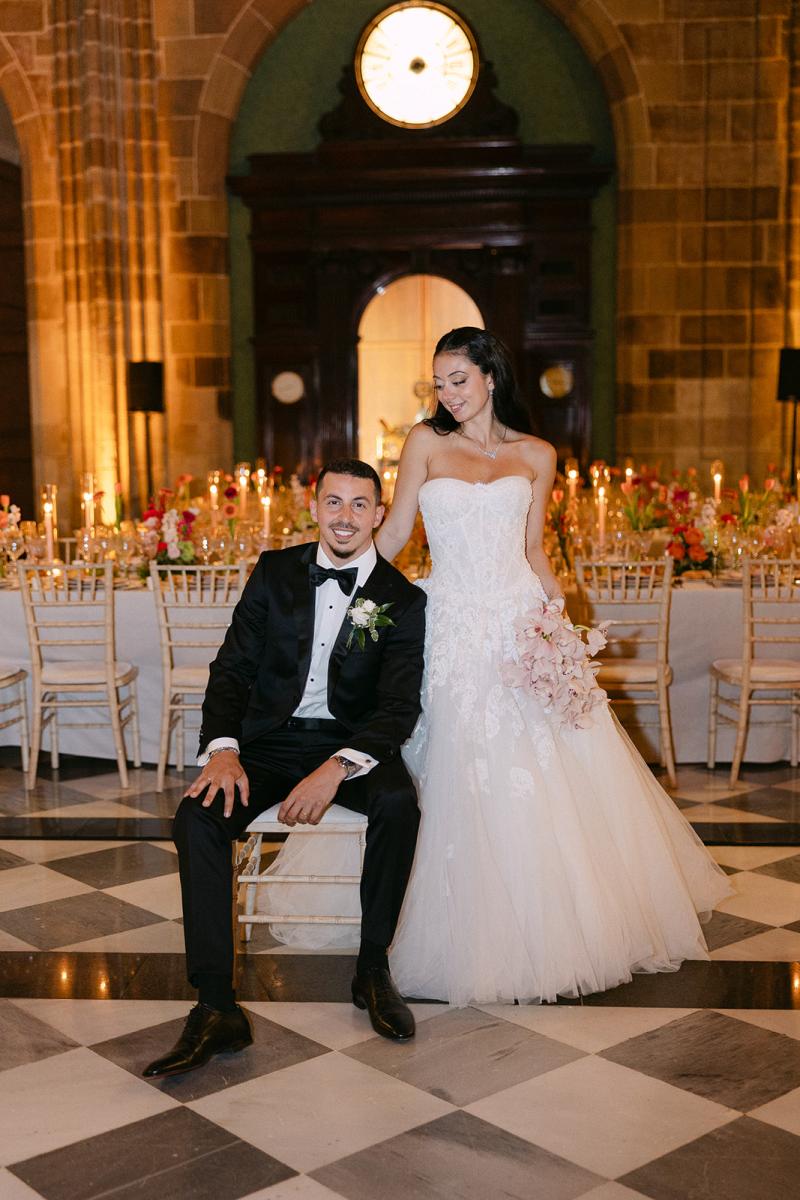
Spain offers an extraordinary variety of wedding locations: historic buildings, Mediterranean venues, traditional country estates, castles, vineyards and coastal properties.
Online photographs can be inspiring, but they do not always reveal how a venue works during a real wedding. Before reserving a venue, it is important to consider:
- The number of guests
- The couple’s preferred style
- The overall wedding budget
- The spaces available for each part of the celebration
- Access for guests and suppliers
- Sound restrictions and closing times
- Accommodation nearby
- Transportation requirements
- The contingency plan for rain or extreme heat
The costs and conditions associated with the venue must also be reviewed carefully. These may include rental fees, catering minimums, furniture, sound equipment, setup and dismantling, additional party hours or fees for bringing in external suppliers.
Exclusive Suppliers
Some wedding venues in Spain work exclusively with particular caterers, sound and lighting companies, furniture providers, DJs or other professionals.
These exclusivity agreements must be reviewed before signing the venue contract. If the couple has already booked a supplier who is not authorised to work at the venue, they may be required to cancel that booking, pay an additional fee or use the venue’s exclusive provider instead.
Knowing these restrictions in advance prevents contractual problems and ensures that the venue is compatible with the couple’s priorities.
2. Building a Realistic Wedding Budget
A successful destination wedding begins with a realistic financial plan. Couples who are still defining their investment can consult our Barcelona wedding budget guide for realistic starting figures and a clearer explanation of the costs involved.
The venue and catering usually represent a significant part of the total investment, but many other services must also be considered from the beginning:
- Photography and videography
- Floral design and decoration
- Furniture and tableware
- Music and entertainment
- Sound and lighting
- Wedding stationery
- Transportation
- Hair and makeup
- Ceremony professionals
- Wedding cake
- Guest accommodation
- Pre-wedding and post-wedding events
The budget should be distributed according to the couple’s priorities.
Not every couple values the same elements equally. Some may place greater importance on gastronomy, while others dream of an elaborate floral design, a particular venue or an unforgettable party.
Defining these priorities early makes it possible to create a personal celebration while keeping the complete project financially controlled.
A realistic budget should also include taxes, travel costs, possible accommodation for suppliers, delivery charges and a contingency amount for unexpected expenses.
3. Defining the Wedding Vision and Creating a Moodboard
Once the venue has been selected, the visual concept of the wedding can begin to take shape.
Photographs, colours, textures and examples of celebrations can help define the desired atmosphere. It is equally useful to identify the elements and styles the couple does not like.
This information is used to create a moodboard that establishes the overall aesthetic direction of the wedding.
The moodboard becomes an essential tool for communicating the same vision to all design-related suppliers, including:
- Florists
- Furniture and tableware companies
- Stationery designers
- Lighting professionals
- Cake designers
- Signage providers
This ensures that every visual element follows the same direction and that the ceremony, cocktail reception, dinner and party form part of one coherent celebration.
The moodboard should guide the project without turning the wedding into a copy of another event. Its purpose is to translate the couple’s own tastes and personality into a clear visual concept.
4. Selecting and Coordinating Wedding Suppliers
Supplier selection should follow a carefully organised process.
Each professional must suit the location, style, expectations and budget of the wedding. They must also be available on the selected date and able to work effectively with the rest of the team.
Photography and videography are usually among the first services to secure because these professionals generally accept only one wedding per day.
Music, entertainment, beauty teams, ceremony professionals and transportation should also be booked well in advance, especially during the busiest months of the Spanish wedding season. Supplier coordination is one of the most important responsibilities included in a professional Wedding Planner Spain service.
For each service, the planning process should include:
- Identifying suitable professionals
- Checking their availability
- Requesting and reviewing proposals
- Comparing what each option includes
- Coordinating meetings when necessary
- Reviewing contracts and payment schedules
- Keeping all relevant information organised
If the couple is interested in a professional outside the planner’s usual network, their work, conditions and suitability for the wedding should be evaluated before proceeding.
Centralising Supplier Communication
Once a wedding planner has been appointed, centralising communication becomes particularly important.
Contacting suppliers independently can lead to duplicated requests, conflicting information and confusion. It can also make it difficult to monitor which version of a proposal, guest list, schedule or design has been approved.
Managing communication through one planning team helps ensure that every supplier receives the correct and most recent information.
5. Reviewing Proposals and Contracts Transparently
Couples should always understand exactly what they are booking and paying for.
Supplier proposals and contracts must be reviewed to confirm that the services, prices and conditions reflect what has been discussed.
The information should clearly specify:
- What is included in the service
- Applicable taxes
- Payment schedules
- Cancellation conditions
- Setup and dismantling times
- Travel or accommodation expenses
- Additional hours
- Possible extra charges
Payment deadlines should be included in the overall planning calendar so that no reservation is lost because a payment was made late.
Transparent communication allows the couple to remain informed and in control of every financial decision.
6. Understanding Catering Proposals and Menu Tastings
Catering is one of the most important parts of both the wedding budget and the guest experience.
Depending on the venue, the caterer may be exclusive or the couple may be able to choose between different companies. Each proposal should be reviewed carefully to understand the menu, service, staffing, equipment and conditions included.
In Spain, catering proposals include the drinks service throughout the main stages of the wedding:
- A drinks bar during the cocktail reception
- Wine and beverages during dinner
- A drinks bar during the wedding party
The proposal may also include staff, kitchen equipment, tableware, furniture and the open-bar service. The exact duration of the party bar and the available drinks should always be confirmed.
A standard menu tasting may include:
- A selection of cocktail appetisers
- Starters
- Main courses
- Desserts
- Wines and other beverages
The menu tasting is the moment to adjust dishes, confirm dietary requirements and decide how the gastronomic experience will develop throughout the wedding.
Final guest numbers, children’s menus, allergies, intolerances and special diets must be communicated to the caterer within the required deadline.
7. Selecting Furniture, Tableware and the Event Layout
Furniture and tableware may be included in the catering proposal or hired through an external company.
Before selecting these elements, the couple must decide whether they prefer round tables, long tables or a combination of both.
This decision affects:
- The layout of the dinner
- The number of centrepieces required
- Guest interaction
- Service circulation
- The overall atmosphere of the space
Chairs, linens, crockery, cutlery, glassware and decorative details should then be selected according to the moodboard and the practical requirements of the venue.
The layout must also take into account the location of the couple’s table, speeches, entertainment, technical equipment and access routes for the catering team.
When couples cannot visit a showroom in person, the selection can be managed remotely using photographs, samples and visual mock-ups.
8. Creating the Floral Design and Styling
Floral design is one of the elements that most transforms a space and defines the atmosphere of a wedding.
This stage usually begins once the venue, moodboard, furniture and table arrangement have been established. The florist can then prepare an accurate proposal based on the real requirements of each area.
Depending on the style and budget, the floral design may include:
- Ceremony decoration
- Table centrepieces
- Welcome area
- Seating plan flowers
- Bridal bouquet
- Buttonholes and wrist corsages
- Cocktail area decoration
- Party styling
- Arches, floral pillars or decorative structures
It is also important to confirm whether candles, vases, structures and other decorative materials are included or need to be hired separately. This prevents unnecessary costs and duplicated items.
Before the wedding, all spaces, quantities, colours and setup times should be reviewed with the florist.
The final design must also consider practical factors such as the season, temperature, wind and whether the floral arrangements will be placed indoors or outdoors.

9. Planning Music, Entertainment, Sound and Lighting
Music creates the emotional rhythm of the celebration, from the ceremony to the final hours on the dance floor.
Depending on the couple’s style, the wedding may include:
- String quartets
- Piano or guitar
- Saxophone
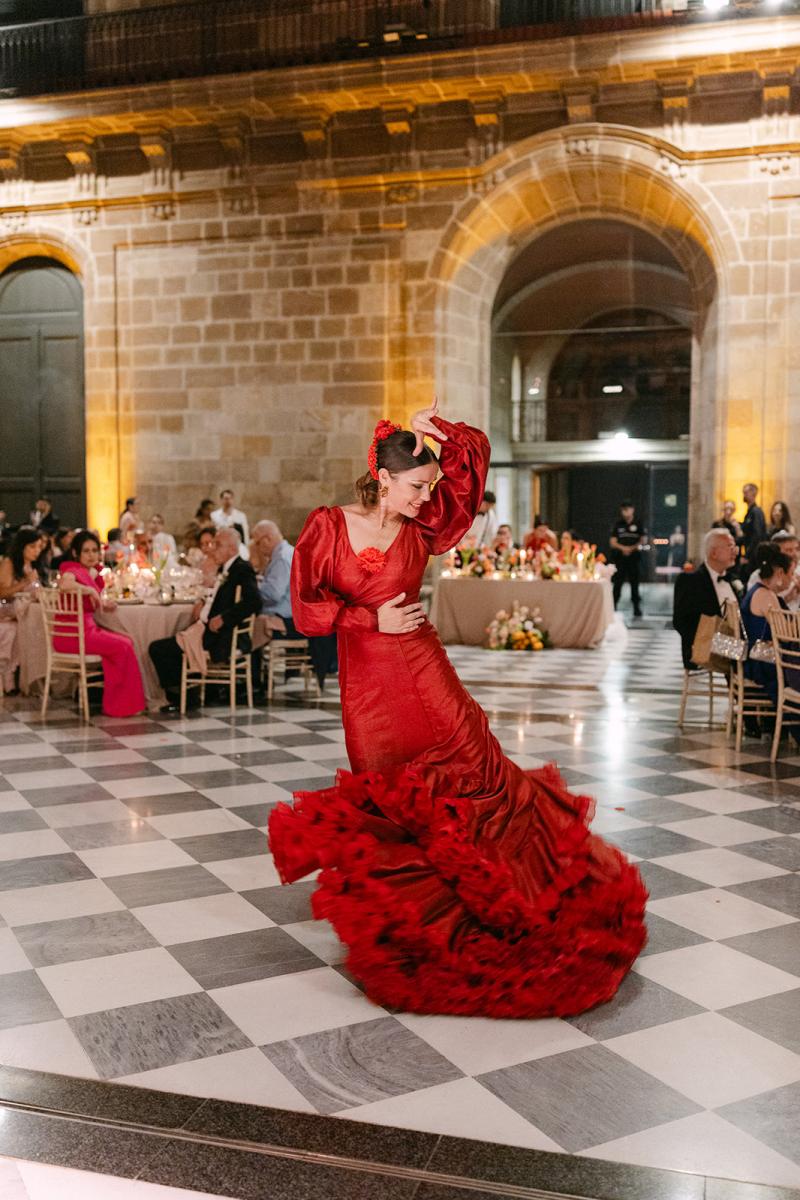
- Flamenco
- Jazz groups
- Live bands
- Special shows
There is always a DJ for the wedding party. The DJ may be provided exclusively by the venue or selected externally, depending on the venue’s conditions.
Some venues also work exclusively with a particular sound and lighting company. In other cases, proposals can be requested from external professionals.
The technical service may include:
- Ceremony sound
- Microphones for speeches
- Cocktail reception sound
- Dinner equipment
- DJ equipment
- Dance-floor lighting
- Additional decorative lighting
- Smoke machines
- Cold fireworks
Before the wedding, a meeting with the DJ is organised to personalise the music for each moment, including the ceremony entrances, cocktail reception, dinner, first dance and party.
10. Organising Guest Accommodation and Transportation
A destination wedding requires careful coordination beyond the venue itself.
International couples may need hotel recommendations, room blocks or promotional booking codes for their guests. Guests can also use the official tourism website of Spain to find practical travel information and discover the different destinations they may visit during their stay.
To request personalised accommodation proposals, it is normally necessary to know:
- The approximate number of rooms
- Estimated arrival and departure dates
- The number of nights required
- Preferred hotel categories or locations
Transportation should also be organised early, as availability may become more limited and prices can increase closer to the wedding date.
The transport plan must consider:
- Hotel locations
- Vehicle capacity
- Suitable collection points
- The journey to the venue
- Different return times
- Transport for the couple and wedding party
- A responsible contact person for each vehicle
In the historic centres of Spanish cities, large buses cannot always stop directly outside a hotel, church or venue. Local knowledge is therefore essential when creating a safe and realistic transportation plan.
Guests must receive clear information about collection points and departure times before the wedding.
11. Planning Pre-Wedding and Post-Wedding Events
Many international couples want to spend more time with their guests and transform the wedding into a complete destination experience.
A welcome dinner, rooftop gathering, cocktail reception, beach club event or relaxed post-wedding brunch gives everyone the opportunity to meet and enjoy the destination beyond the wedding day.
The selected venue and format should suit:
- The number of guests
- The preferred atmosphere
- The couple’s schedule
- The location of the hotels
- Transportation requirements
- The available budget
Each additional event should complement the wedding without feeling like a repetition of the main celebration.
The timing must also allow the couple and guests to rest, travel between locations and prepare for the wedding day without unnecessary pressure.
12. Preparing the Final Coordination and Wedding Day
As the wedding approaches, every confirmed decision must be brought together into one detailed plan.
The final coordination should include:
- The complete wedding timeline
- Supplier arrival and setup schedules
- Guest transportation
- Ceremony entrances and music
- Speeches and special moments
- Catering service times
- Technical requirements
- Seating plans and dietary information
- Contact details for every supplier
- Dismantling and collection arrangements
Final meetings with the venue and key suppliers allow everyone to review the spaces, quantities, timings and responsibilities of each team.
The seating plan, final guest list, dietary requirements, ceremony details and song selections must all be completed within the deadlines established by the different suppliers.
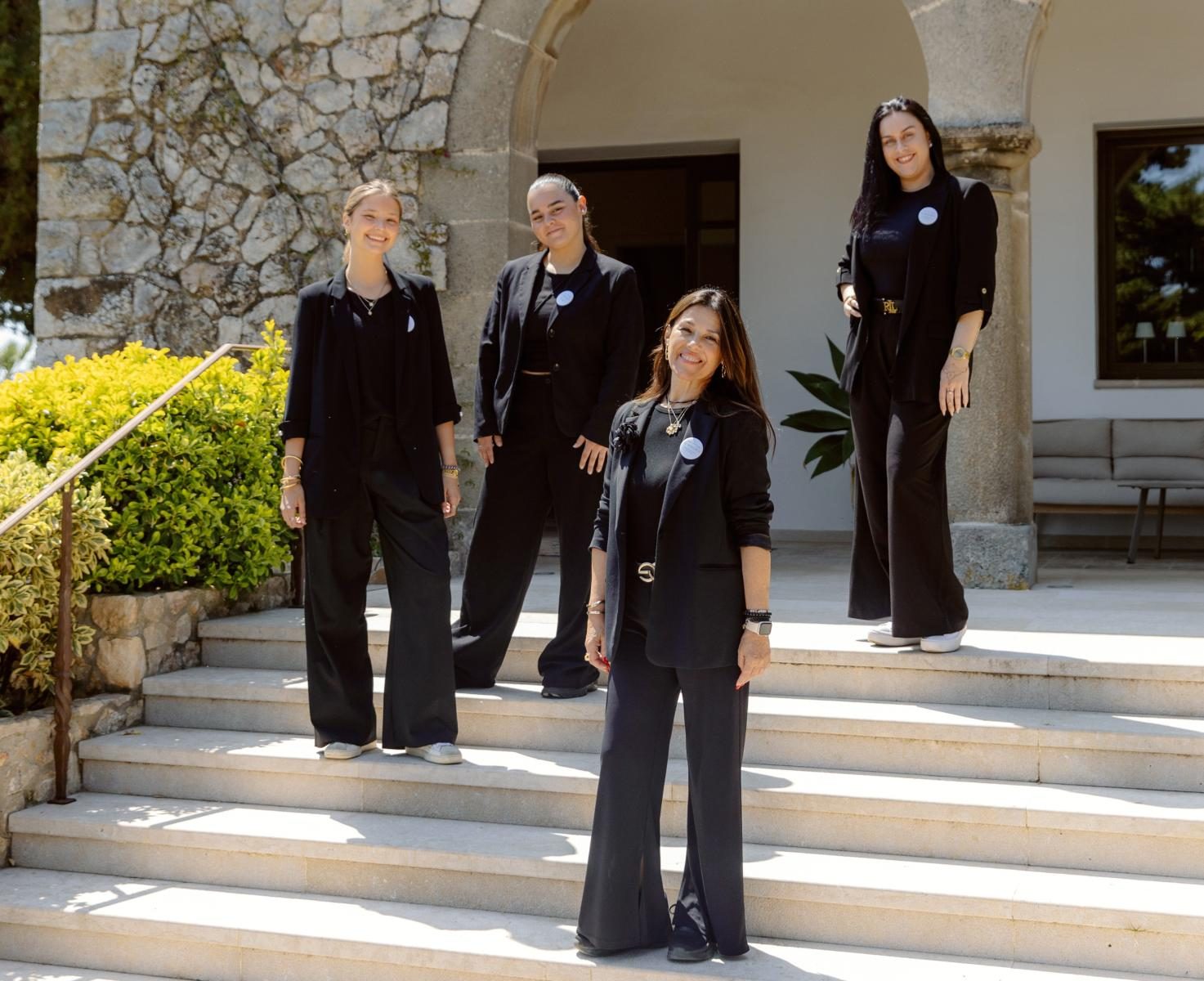
On the wedding day, the coordination team supervises the setup, welcomes suppliers, manages the schedule, guides guests and handles unexpected situations.
The couple should not need to answer supplier questions, monitor timings or resolve logistical problems. Their only responsibility should be to enjoy the celebration. The support provided by a Wedding Planner Spain team can extend from the initial venue search to the final coordination of the wedding day.
Frequently Asked Questions About Hiring a Wedding Planner in Spain
How far in advance should we start planning a destination wedding in Spain?
Ideally, destination wedding planning should begin between 12 and 18 months before the chosen date. Popular venues and experienced photographers, videographers, musicians and other suppliers can be booked much earlier, especially for weddings taking place between May and October.
Should we hire a wedding planner before booking the venue?
Ideally, yes. A wedding planner can review the venue’s capacity, costs, restrictions, contingency plan and supplier exclusivity before a contract is signed. This helps ensure that the venue is suitable for the couple’s guest numbers, priorities and overall budget.
Do wedding venues in Spain work with exclusive suppliers?
Some venues have exclusive agreements with caterers, DJs, sound and lighting companies, furniture suppliers or other professionals. These conditions should always be checked before booking the venue or contracting suppliers independently.
What is normally included in a wedding catering proposal in Spain?
Wedding catering proposals in Spain include food and drinks throughout the main stages of the celebration: a drinks bar during the cocktail reception, wine and beverages during dinner, and a drinks bar during the wedding party. The duration of the party bar, drinks selection, furniture, tableware, staffing and other services may vary between caterers.
Can a destination wedding in Spain be planned entirely from abroad?
Yes. Most of the planning can be managed through video calls, email, shared documents, online proposals and virtual meetings with suppliers. Couples will normally travel to Spain for key appointments such as venue visits, menu tastings and technical meetings.
Can a wedding planner help with guest accommodation and transportation?
Yes, depending on the planning service selected. This may include recommending hotels, requesting promotional booking codes, coordinating room requirements and organising transport between the hotels, ceremony and wedding venue.
Are pre-wedding and post-wedding events included in wedding planning?
This depends on the contracted service. Welcome dinners, rooftop gatherings, beach club events and post-wedding brunches require their own venue search, proposals, reservations and logistics, so they may be included in a multi-day planning service or quoted separately.
Planning a Destination Wedding with Tu Boda Barcelona
At Tu Boda Barcelona, we specialise in planning destination weddings for international couples celebrating in Barcelona and across Spain.
We accompany our couples from the first decisions through to the wedding day, helping them find the right venue, establish a realistic budget, create a coherent design and coordinate all the professionals involved.
Our approach combines local experience, transparent communication and detailed organisation. Every celebration is planned around the couple’s story, culture and priorities rather than following a fixed formula.
If you are searching for a Wedding Planner Spain service to help you organise a personal and carefully coordinated destination wedding, we would be delighted to learn more about your plans.
Contact us to arrange an initial video call and begin planning your wedding in Spain. Looking for inspiration? Discover some of our real weddings in Barcelona and see how other international couples celebrated their destination wedding in Spain.