WEDDING LOCATION SPAIN: WHAT YOU NEED TO KNOW
Choosing the right wedding location in Spain is one of the most important decisions you will make when planning your wedding.
For international couples planning a destination wedding in Spain, this decision goes far beyond aesthetics. The venue will directly impact your budget, logistics, guest experience, and the overall flow of the celebration. Understanding how a wedding location Spain works in practice is essential before making a final decision.
Spain offers a wide variety of wedding locations, but understanding how they actually work is essential before making a final decision.
Spain offers a wide variety of wedding locations, but understanding how they actually work is essential before making a final decision. Spain has also become one of Europe’s leading wedding destinations, as highlighted by the official tourism website of Spain.
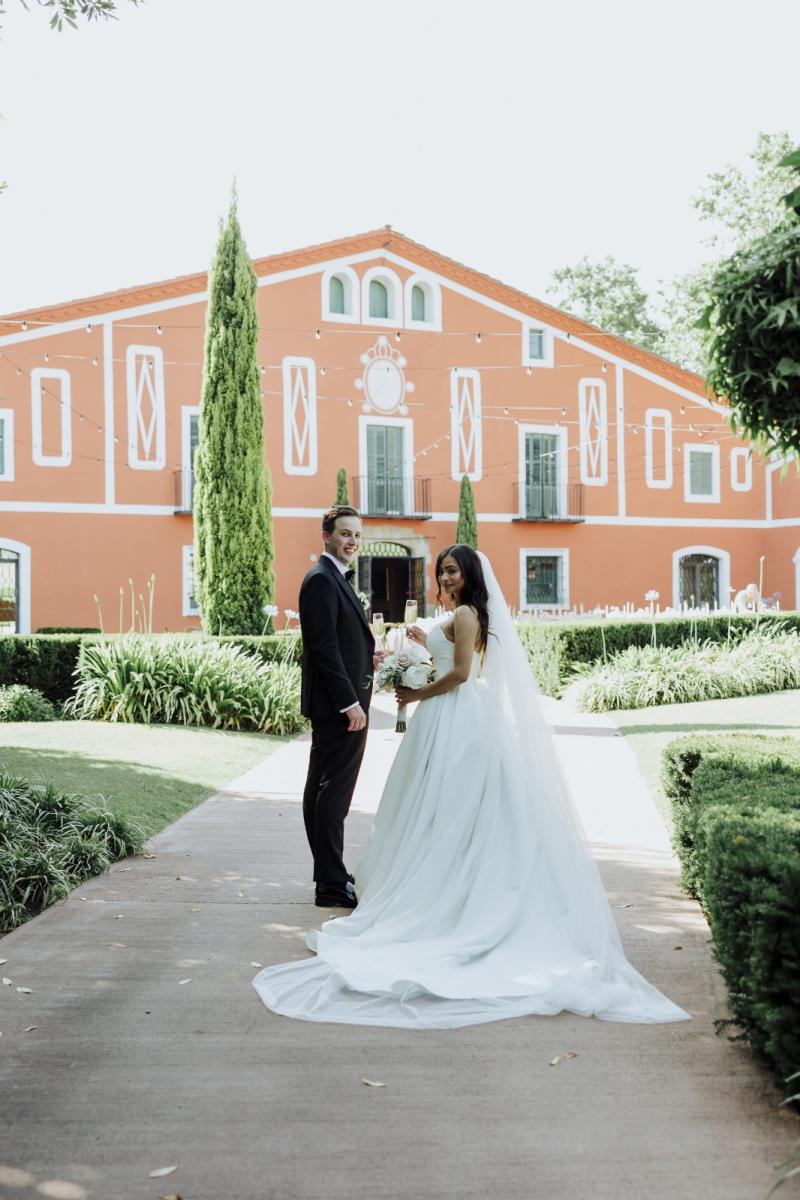
Why the wedding location defines everything
In Spain, the venue is not just a backdrop — it often determines how your entire wedding will be structured.
Depending on the type of wedding location, it can influence:
- Catering options
- Event timings
- Setup and design
- Supplier selection
- Guest logistics
This is why choosing the right wedding location in Spain requires a strategic approach, not just an emotional one.
How to choose the right wedding location Spain
Choosing the right wedding location Spain requires more than falling in love with a venue. It is about understanding how each type of space works, what it includes, and how it will impact your overall wedding.
Types of wedding locations in Spain
Not all venues operate in the same way, and this is one of the most important aspects to understand. Each wedding location Spain comes with different conditions, inclusions and limitations that should be clearly understood before booking.
Venue rental only
Some wedding locations offer only the space:
- All suppliers must be hired separately
- Catering, furniture and production are not included
- Full flexibility, but higher coordination
👉 In most cases, this type of wedding location in Spain involves a higher overall budget, as everything needs to be built from scratch.
Venues with catering included
Other venues include gastronomy as part of their offering:
- No separate venue rental fee
- Pricing is usually based on a menu per guest
- More structured and easier to manage
👉 This is often a balanced option between flexibility and simplicity.In addition, some venues offer on-site accommodation or nearby lodging, which can be particularly valuable for destination weddings.
All-inclusive or forfait venues
These venues offer more structured packages:
- Catering, furniture and basic setup included
- Simpler planning process
- Less flexibility in design
👉 These are usually the most cost-effective option, but often require a minimum number of guests, especially on Fridays and Saturdays during high season.
Accommodation: convenience vs experience
Some wedding locations in Spain offer on-site accommodation.
This can be practical, but it also changes the overall experience.
When guests stay at the venue:
- They arrive earlier
- They already know the space
- The sense of surprise on the wedding day is reduced
However, these venues can also allow you to host multiple events in the same location, such as:
- Pre-wedding events
- Welcome dinners
- Post-wedding brunch
👉 This can help optimise costs by avoiding the need to book additional venues.

Supplier exclusivity: a key point to clarify
Some wedding locations in Spain work with exclusive suppliers, meaning:
- You must work with specific catering or vendors
- You cannot bring your own team
- Pricing and conditions are predefined
👉 In some cases, it is possible to remove these exclusivities, but this usually involves paying an additional fee to the venue.
Understanding these conditions in advance is essential before making any commitment.
Hidden costs to be aware of
One of the most common issues when choosing a wedding location in Spain is the presence of additional costs that are not always clearly outlined.
These may include:
- Kitchen fees
- Furniture rental
- Setup and dismantling
- Waste management
👉 Waste management, in particular, is becoming an increasingly common issue, with responsibilities often unclear between venue and suppliers.
Clarifying these costs early is essential to avoid unexpected expenses.Timing is an important factor in Spain.
Logistics and distance: a key factor
When selecting a wedding location Spain, distance from the city is a key factor to consider. Another critical aspect when choosing a wedding location in Spain is the distance between the venue and where your guests will stay.
In most destination weddings, guests are usually accommodated in the city, where there is a wider range of hotels and better infrastructure.
This means:
- Transportation (usually coaches) must be organised
- Travel time directly impacts guest experience
- Logistics become more complex with longer distances
👉 For this reason, we generally recommend choosing a wedding location that is no more than one hour away from the city.
Longer distances can:
- Create fatigue for guests
- Complicate the schedule
- Affect the overall flow of the wedding day
Choosing the right location is not just about beauty — it is about making the experience smooth and enjoyable for everyone.
Payment structure in Spain
Another important factor is how payments are structured.
In Spain, it is standard practice that:
👉 All suppliers are paid before the wedding day
This includes:
- Venue
- Catering
- Production
- All external vendors
For international couples, this requires careful financial planning.
The importance of hiring a wedding planner early
Working with a professional wedding planner in Barcelona or Spain before choosing your venue can completely change the way you approach this decision. One of the most common mistakes is choosing the venue without professional guidance.
👉 Ideally, you should work with a wedding planner before booking your venue.
This allows you to:
- Understand the venue’s working conditions
- Identify hidden costs and limitations
- Evaluate supplier exclusivities
- Assess whether the venue truly fits your wedding vision
In addition, a planner can provide a realistic overall budget estimate, helping you understand the full cost of your wedding before making any commitments. For a more detailed financial overview, read our guide to the wedding in Barcelona cost and discover the main expenses to consider before choosing your venue.
👉 This avoids unexpected surprises and helps you make informed decisions.

What couples often overlook
When choosing a wedding location in Spain, many couples focus on aesthetics and overlook key operational aspects such as:
- Accessibility and transport
- Guest accommodation logistics
- Noise restrictions and timings
- Technical limitations
- Supplier coordination
These elements have a direct impact on how the wedding day unfolds.
A professional perspective
After years of planning weddings in Spain, one thing becomes very clear:
The best wedding locations are not always the most visually impressive, but the ones that work well from a logistical and operational perspective.
A well-chosen venue allows the entire wedding to flow naturally, without unnecessary complications.
Final thoughts
Choosing the right wedding location Spain is not just about finding a beautiful place — it is about selecting a venue that supports your vision, your logistics and your guest experience.
Understanding how wedding locations work from the beginning is essential to making the right decision.
FAQ – Wedding Location Spain
How far in advance should we book a wedding venue in Spain?
In most cases, a wedding in Spain can be planned from 6 months in advance, depending on your flexibility.
If you are open with your dates, especially avoiding peak Saturdays, you will find more options available even with shorter timelines.
However, if you have a specific date in mind — particularly during high season (May to October) — it is advisable to plan earlier.
👉 In general, we recommend planning between 6 and 18 months in advance.
Planning too far ahead can often make the process feel unnecessarily long and overwhelming.
Is there more availability during the week than weekends?
Yes, significantly.
In Spain, Fridays and especially Saturdays are the most requested days, particularly between May and October, which is considered peak wedding season.
Weekdays usually offer:
- More availability
- Greater flexibility
- A smoother planning process
What is the best time of year to get married in Spain?
The most popular wedding season in Spain runs from May to October.
However, it is important to consider that:
👉 August is generally not recommended, as temperatures can be extremely high in many regions.
Many couples prefer:
- May and June
- September and October
for more comfortable weather and better overall experience. Weather conditions can vary significantly depending on the region and season, as shown by Spain’s official meteorological agency.
Do wedding venues in Spain require a minimum number of guests?
In many cases, yes.
Some venues — especially those offering all-inclusive or forfait options — require a minimum number of guests, particularly on weekends during high season.
This is an important condition to clarify before confirming the venue.
Is it easier to find availability if we are flexible with dates?
Absolutely.
Flexibility with:
- Dates
- Day of the week
- Season
can significantly increase your options when choosing a wedding location Spain.
Do we need to travel to Spain before booking our wedding venue?
Not necessarily.
With the right professional support, it is perfectly possible to secure a wedding location in Spain without travelling in advance.
A local wedding planner can:
- Pre-select venues based on your vision and budget
- Provide detailed information, layouts and real insights
- Coordinate virtual visits and answer all your questions
- Guide you through contracts and conditions
👉 This allows you to make informed decisions remotely and avoid unnecessary travel in the early stages.
Many couples choose to visit Spain later in the process, once the venue is secured, to focus on key decisions and enjoy the experience without pressure.