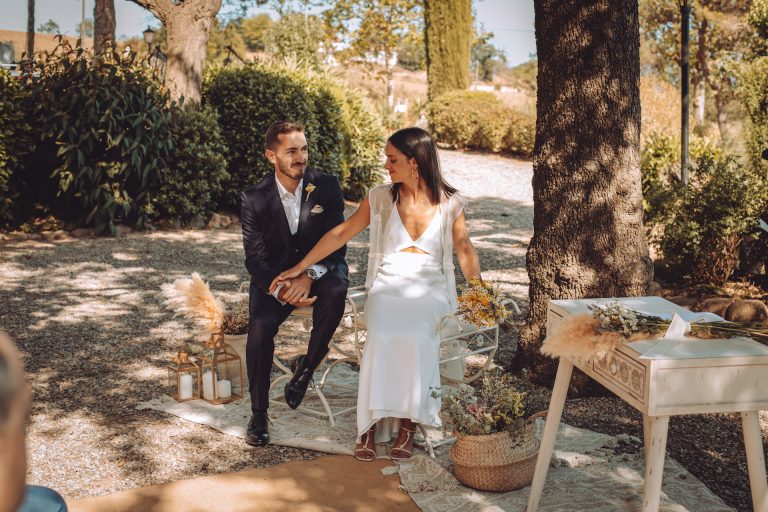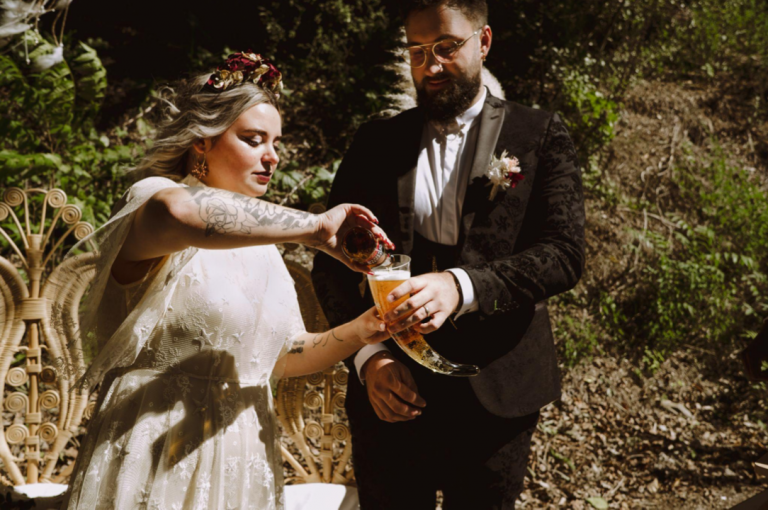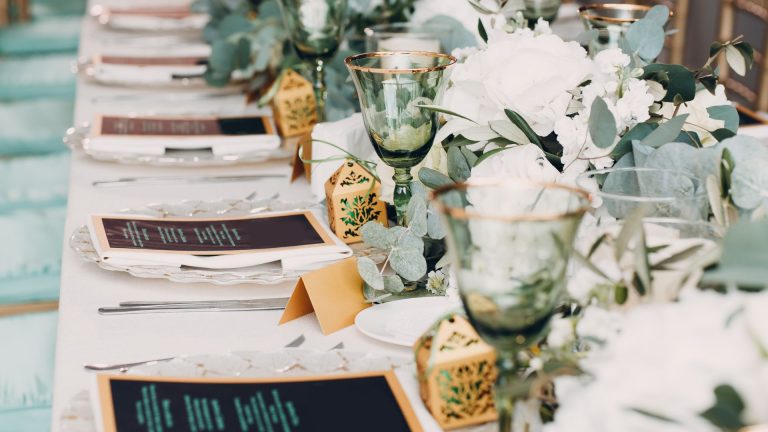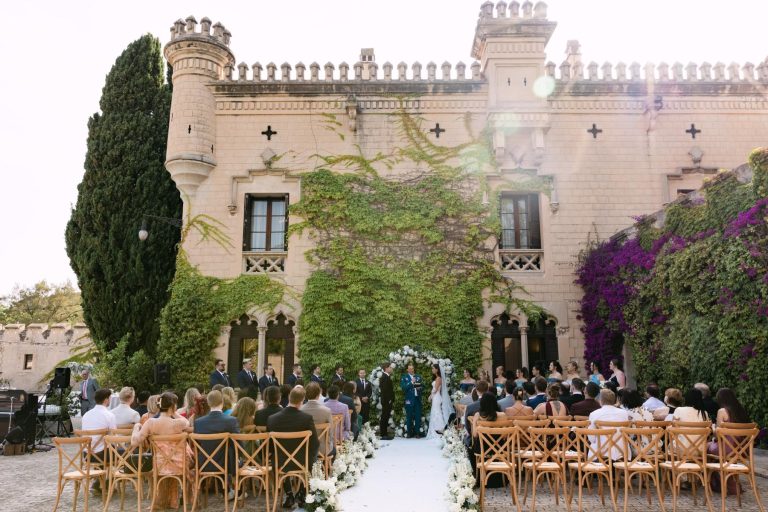
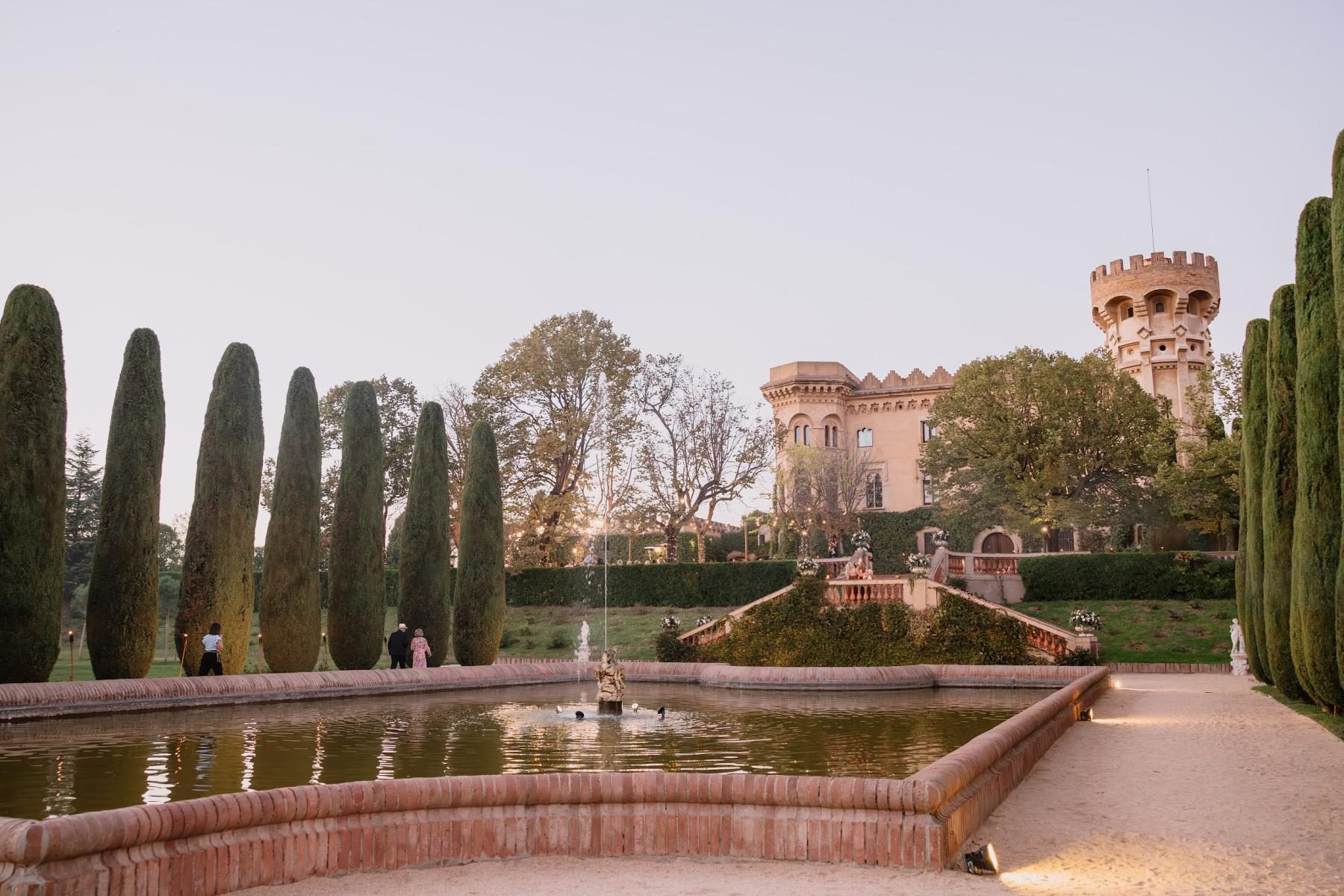
HOW TO PLAN A DESTINATION WEDDING SPAIN AS A FOREIGNER (A Real Step-by- Step)
Planning a destination wedding Spain from abroad can be an incredible experience — but it also requires understanding how things actually work here.
After years working with international couples, there’s one thing we see again and again:
👉 it’s not about doing more, it’s about doing things in the right order.
Spain is one of the most complete destinations to get married: great weather, exceptional food, and a wide variety of venues. But precisely because of that, having a clear structure from the beginning makes all the difference.
This guide reflects how destination weddings in Spain are really planned when the process is done well. This is especially relevant when planning a destination wedding Spain from abroad.
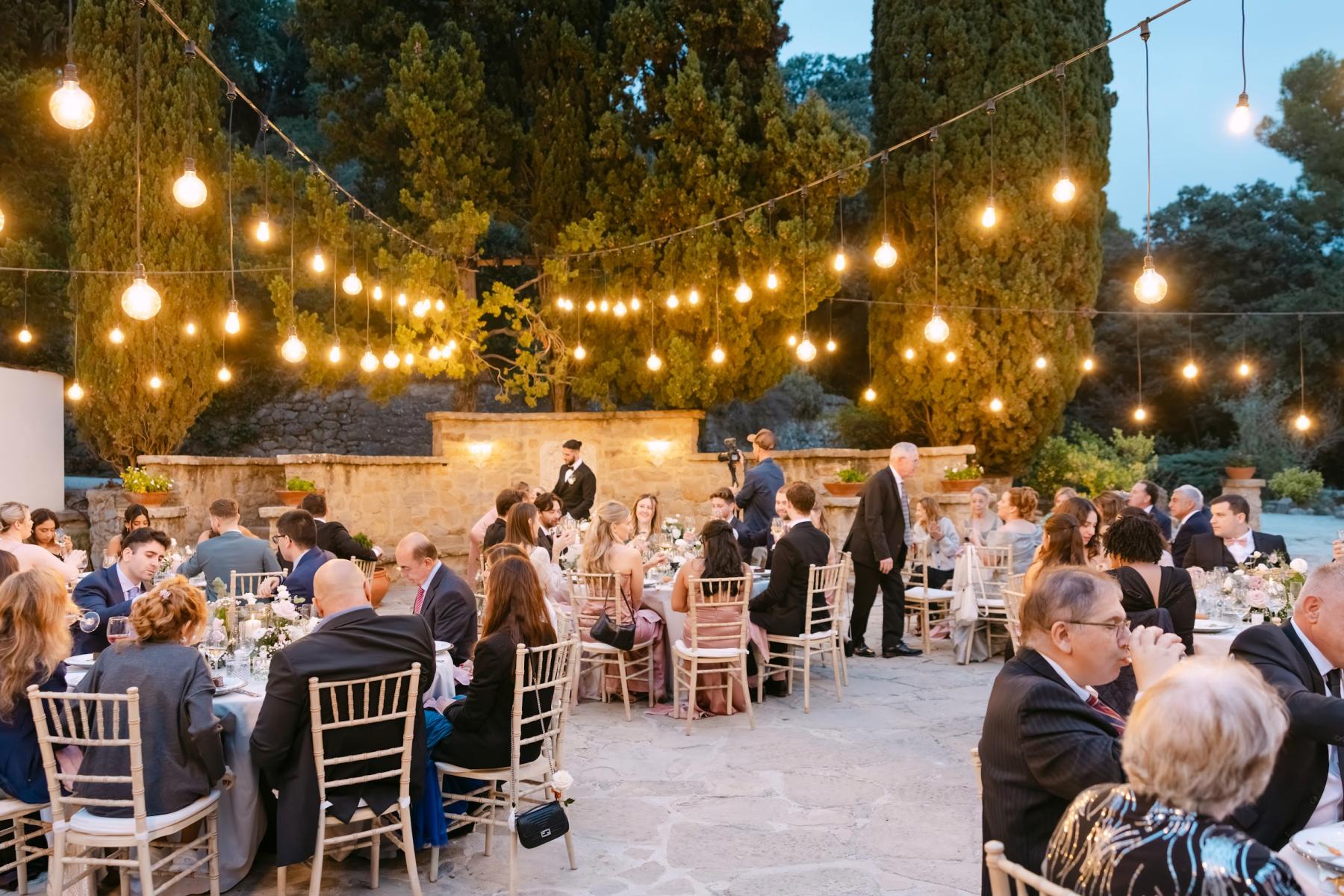
1.- Define the type of experience
Before looking at venues or suppliers, it’s important to understand what kind of wedding you want.
- Do you imagine a multi-day celebration, spending time with your guests?
- Something more intimate or a larger celebration?
- A relaxed atmosphere or a more refined and detail-focused wedding?
👉 A destination wedding is not just about the wedding day — it’s about the overall experience. This is especially true in a destination wedding Spain, where the experience goes beyond the wedding day itself.
Having this clear from the beginning will guide every decision that follows.
2.- Choosing the venue (the most important decision)
The first real step in a destination wedding Spain is the venue.
In Spain, the venue is not just the setting — it defines:
- suppliers
- logistics
- timings
- budget
- and in many cases, the accommodation experience for your guests
👉 One of Spain’s strengths is the variety of venues available, across very different styles and price ranges.
Common types of venues:
- Dry hire venues
→ usually the most exclusive
→ include very little
→ require building the wedding from scratch - Venues with in-house or partnered catering
→ offer a balance between flexibility and structure - All-inclusive venues
→ include most elements
→ more cost-efficient overall
→ but with less room for customization
In addition, some venues offer on-site accommodation or nearby lodging, which can be particularly valuable for destination weddings.
👉 This allows:
- part of the guest list to stay together
- a more relaxed experience
- and the possibility of extending the celebration over several days
Choosing the right venue is key, as it defines everything that comes after.
3.- Catering and suppliers (always after the venue)
Once the venue is confirmed, the next step is defining the catering (if it is not already included).
👉 In Spain, it’s important to know:When planning a destination wedding Spain, understanding how catering works locally is essential.
- drinks are typically included in catering proposals
- the service usually lasts around 5 hours (cocktail + dinner)
After that, the rest of the suppliers are selected:
- photography
- videography
- music
- transport
- etc.
👉 Always taking into account:
- venue exclusivities
- what is already included
- and the technical conditions of the space
4.- Design, furniture and styling
Only once the structure is clear does the visual part come into play.
The correct order is:
- layout and flow of the space
- furniture
- floral design
- stationery and details
👉 Design should respond to the structure, not the other way around.
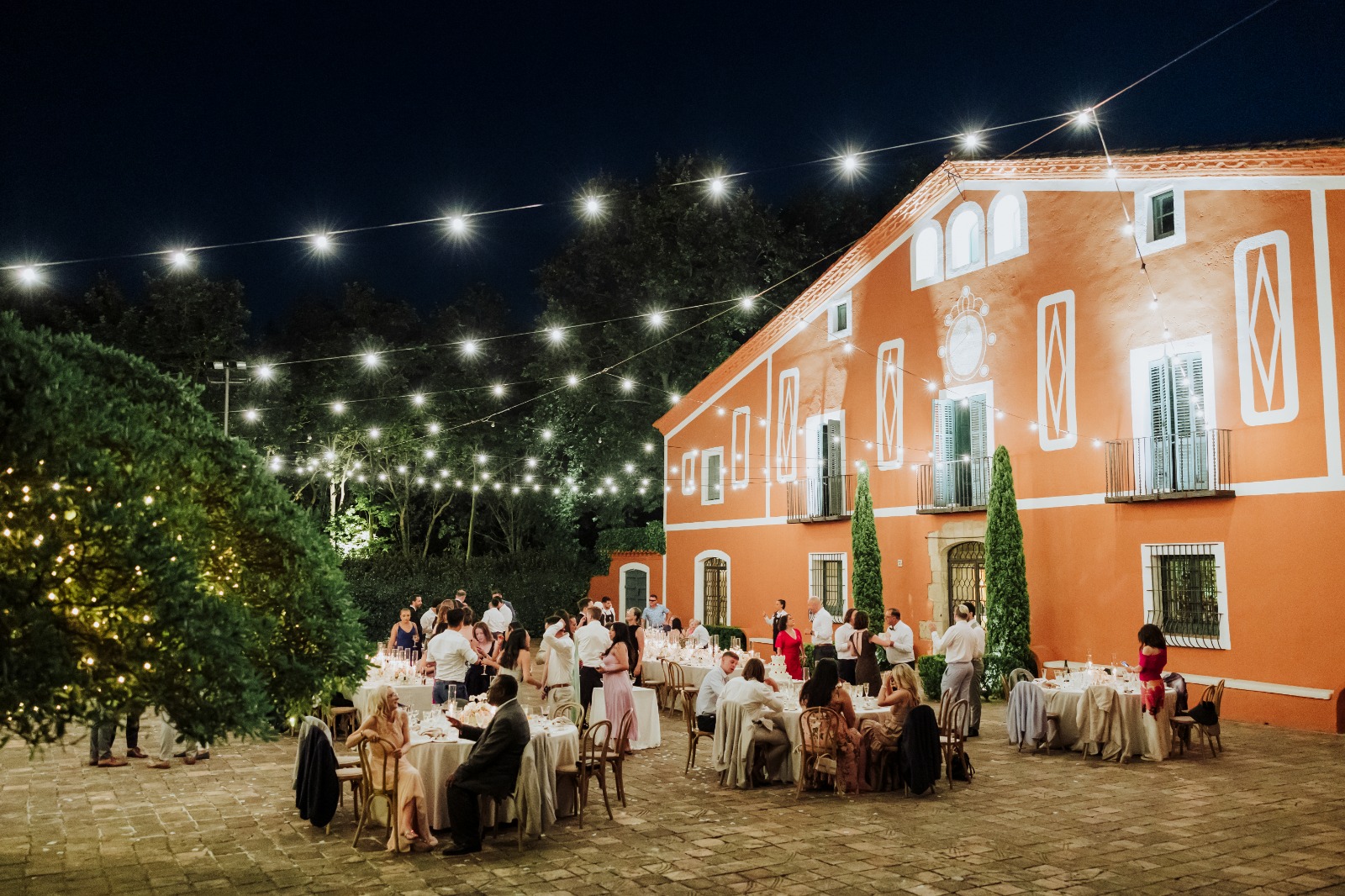
5.-Legal aspect: what you really need to know
This is one of the areas where there is the most confusion.
In Spain, there are two types of legally recognized marriages: civil and religious (Catholic).
👉 In practice, civil weddings are not a viable option for non-resident foreign couples, as they require a legal process linked to residency or registration in Spain.
👉 However, it is possible to legally marry in Spain through a Catholic ceremony, provided all the requirements set by the Church are met.
This involves:
- a formal marriage file processed through the Church
- specific documentation
- coordination between dioceses
👉 Even so, in most destination weddings, couples choose to:
- complete the legal marriage in their home country
- and celebrate the wedding in Spain
This approach simplifies the process and allows more flexibility.
6.- Dates, season and availability
Timing is an important factor in Spain.
👉 High season:
- May to October
- especially Saturdays
👉 This means:
- higher demand
- limited availability
- higher prices
👉 A very good alternative:
- weekday weddings
- or off-season dates
✔️ better availability
✔️ more flexible budgets
7.- Accommodation and multi-day experience
Many venues in Spain offer accommodation.
👉 This allows you to approach the wedding as a multi-day experience:
- guest arrival
- time spent together
- a more relaxed celebration
It also opens the door to:
✔️ Pre-wedding event
- welcome dinner or gathering
- more informal atmosphere
👉 A great option:
a rooftop in Barcelona with views over the city
✔️ Post-wedding
- brunch or lunch the next day
- more relaxed and intimate
- a softer closing to the celebration
👉 Usually at a lower cost than the wedding day itselfA luxury destination wedding is not just coordination — it is full event production.
8.- What makes getting married in Spain so special
Spain is not just a beautiful destination.
It offers:
- a very favorable climate
- outstanding gastronomy
- options for all dietary needs
- a welcoming and easy-going culture
👉 And something important for international couples:
- most suppliers speak English
- guests feel comfortable and well taken care of
👉 The overall feeling is often: being far from home, but feeling at home.
Final reflection
A destination wedding in Spain is not just an event.
It is a full experience that, when properly structured, allows you to enjoy not only the wedding day, but the entire process.
And that is what truly makes the difference.
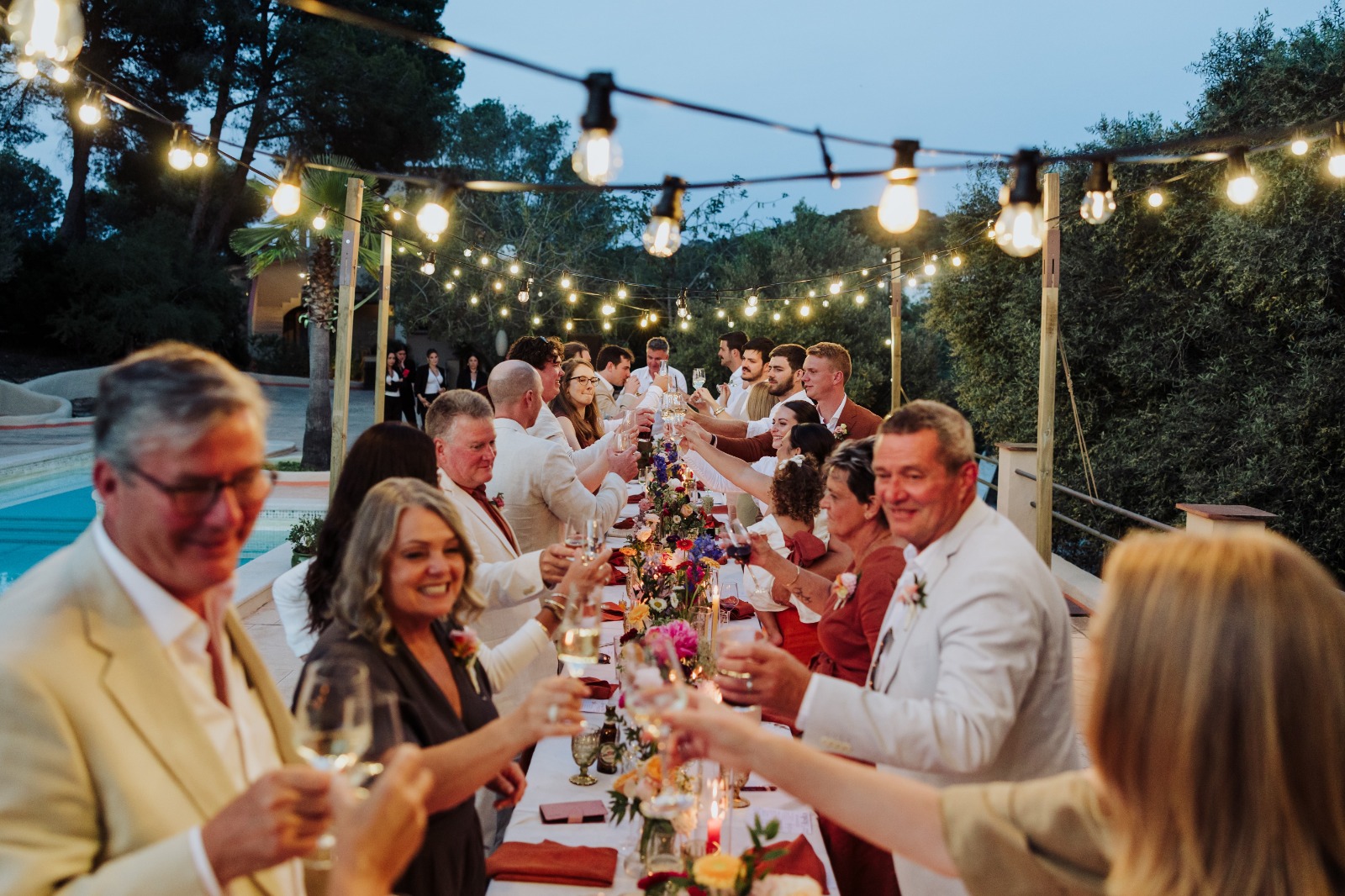
If you are considering getting married in Spain
We are a Barcelona-based team specialized in destination weddings for international couples.
Our role is not only to organise, but to structure the entire process so that every decision makes sense from the beginning.
If you would like to explore how your wedding in Spain could take shape, we would be happy to guide you.
FAQs about planning a wedding in Spain
Can foreigners get legally married in Spain?
In practice, civil weddings in Spain are not a viable option for non-resident foreign couples, as they require a legal process linked to residency.
However, it is possible to marry legally through a Catholic ceremony if all the requirements set by the Church are met.
For this reason, most international couples choose to complete the legal marriage in their home country and celebrate their wedding in Spain.
How far in advance should we start planning a wedding in Spain?
Ideally, between 12 and 18 months in advance, especially if you are considering a weekend wedding during high season (May to October), when availability is more limited.
That said, shorter timelines are absolutely possible. We regularly plan destination weddings within 6 months, and in some cases even less.
What really makes the difference is having a clear structure from the beginning and making decisions in the right order.
Is it possible to plan a wedding in Spain without visiting beforehand?
Yes, it is possible. Many destination weddings are planned remotely.
However, having local support is key to ensure everything is properly coordinated and aligned with your expectations.
What is typically included in wedding catering in Spain?
In Spain, catering proposals usually include both food and drinks.
The service generally lasts around 5 hours, including cocktail and dinner.
Are weekday weddings a good option in Spain?
Yes, especially if you are flexible with your dates.
Weekday weddings offer better availability, more flexibility and, in many cases, a more efficient budget.
Should we plan additional events around the wedding day?
For destination weddings, it is highly recommended.
A pre-wedding or post-wedding event helps create a more complete experience for your guests and makes the celebration more memorable.
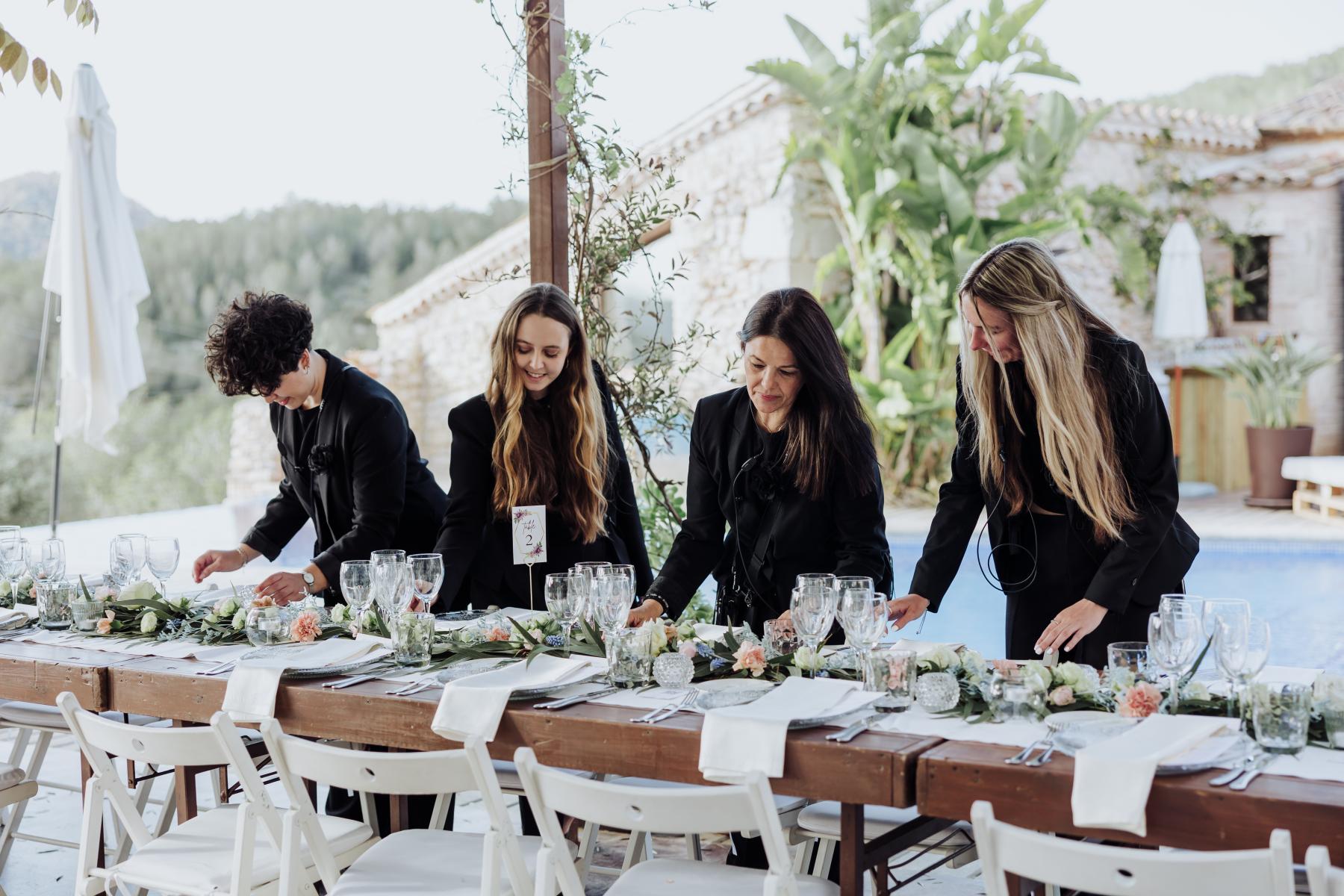
Why Spain works so well for destination weddings
Spain offers a combination that is difficult to find elsewhere: a reliable climate, a strong culinary culture, and a wide variety of venues within a relatively small area.
For international couples, it also means easy access, experienced suppliers, and a setting where guests can truly enjoy the experience beyond the wedding day itself.
Working with local suppliers
One of the advantages of getting married in Spain is the quality of local suppliers.
From catering to music and production, most teams are highly experienced in destination weddings and used to working with international couples.
This makes communication smoother and helps ensure that everything runs as expected on the wedding day. This also gives couples more confidence throughout the planning process.
Guest experience: what makes the difference
In destination weddings, the guest experience plays a much bigger role than in a local wedding.
Travel, accommodation and shared moments become part of the celebration itself.
Simple decisions such as timing, flow of the day or how guests move between locations can have a big impact on how the wedding is experienced.
That is why thinking beyond the wedding day and considering the overall experience from the beginning makes such a difference.
If you are considering getting married in Spain
Planning a wedding from abroad can feel complex, especially when everything is unfamiliar.
If you would like to explore how your wedding in Spain could take shape, you can discover more about our destination wedding planning services in Barcelona, and we would be happy to guide you.
Final Thoughts
Planning a destination wedding in Spain is not about doing more — it’s about doing things in the right order.
Once the key decisions are made properly, everything else becomes much more natural and enjoyable.
Spain offers an exceptional setting, but what really makes the difference is how the experience is structured from the beginning. This is what ultimately defines a well-executed destination wedding Spain.