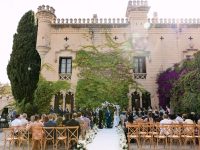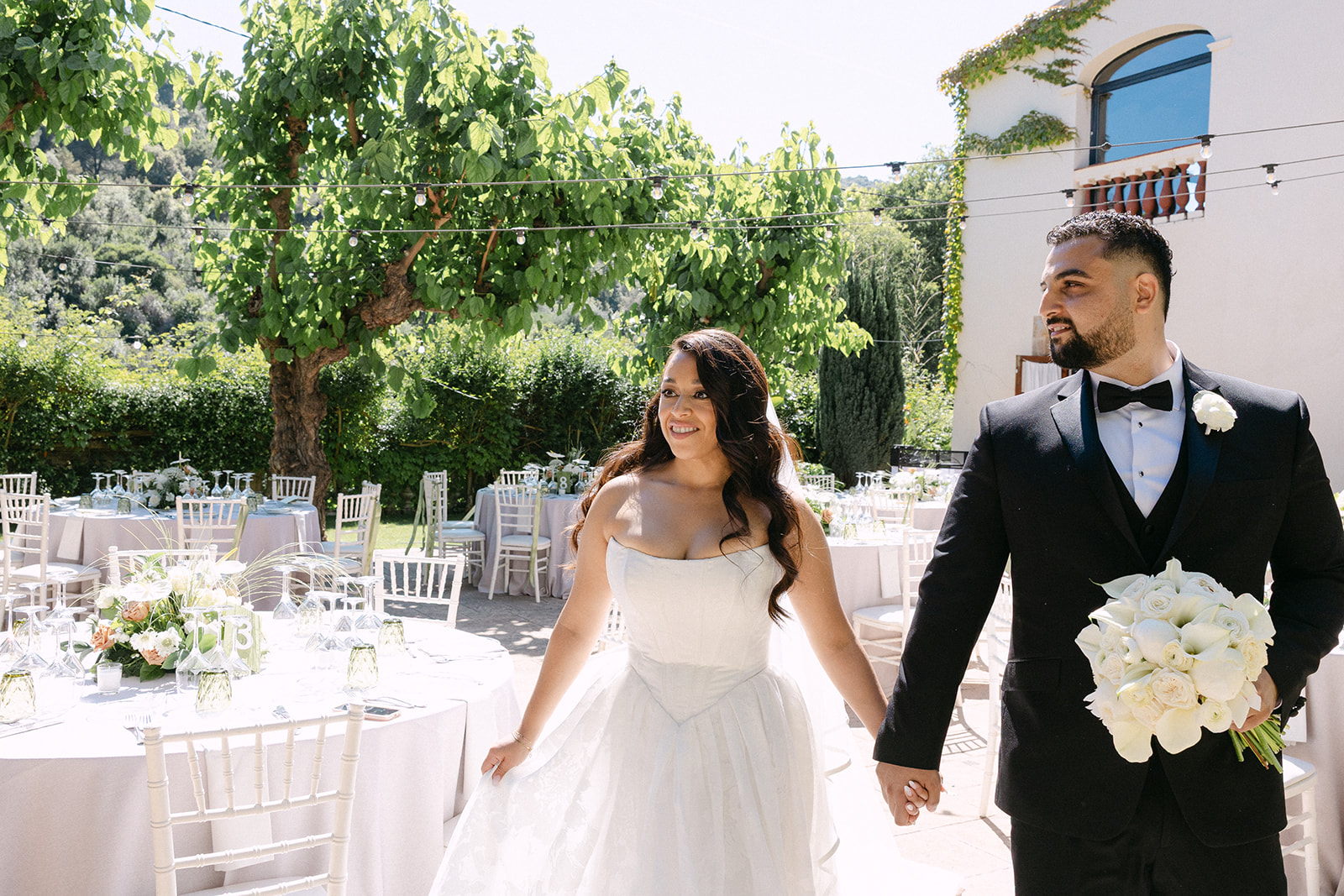
IF YOU ARE WONDERING ABOUT THE REAL WEDDING IN BARCELONA COST, THESE ARE THE FIGURES, PRIORITIES AND OFTEN-OVERLOOKED EXPENSES YOU SHOULD CONSIDER BEFORE SETTING YOUR DESTINATION WEDDING BUDGET.
Barcelona is one of Europe’s most attractive wedding destinations. Its architecture, gastronomy, climate and variety of venues allow couples to plan very different celebrations, from an elegant city wedding in a historic building to a Mediterranean celebration, a traditional Catalan country estate or a private castle surrounded by nature.
One of the first questions international couples usually ask is: how much does a wedding in Barcelona cost?
There is no single figure that applies to every wedding. The final investment depends on the number of guests, the venue, catering, season, suppliers and level of design and production.
However, it is possible to establish a realistic starting point and understand which decisions will have the greatest impact on the overall budget.
How Much Does a Wedding in Barcelona Cost?
As an initial reference, a professionally planned destination wedding in Barcelona may require an overall investment starting from approximately:
- 50 guests: from €35,000.
- 80 guests: from €50,000.
- 120 guests: from €70,000.
These figures are starting points rather than fixed packages or quotations. The final wedding in Barcelona cost can increase considerably depending on the venue, catering, floral design, furniture, music, technical production, transportation and additional events.
Two weddings with the same number of guests can have completely different budgets.
A celebration held at a venue that already includes furniture, kitchen facilities and technical equipment will have different requirements from a wedding at a private property where almost everything must be brought in.
The same applies to the design. Seasonal flowers, candles and furniture already available at the venue require a different investment from large floral structures, suspended installations, bespoke furniture and architectural lighting.
What Do These Starting Budgets Include?
The figures above are intended to cover the professional services normally required for the wedding celebration, such as:
- Venue.
- Catering and drinks.
- Wedding planning.
- Floral design and styling.
- Furniture and tableware when required.
- Photography and videography.
- Music and entertainment.
- Sound and lighting.
- Ceremony professionals.
- Hair and makeup.
- Guest transportation.
- Wedding stationery and signage.
- Wedding-day coordination.
They do not automatically include personal expenses such as flights, guest accommodation, wedding attire, rings or honeymoon costs.
Pre-wedding dinners, welcome parties and post-wedding brunches should also be calculated separately unless they form part of the original planning brief.
An Example of How a Barcelona Wedding Budget May Be Distributed
Every wedding budget should reflect the couple’s priorities and the services already included in the selected venue proposal.
As a general planning reference, the overall investment may be distributed approximately as follows:
- Venue, catering and drinks: approximately 65%.
- Floral design, decoration, furniture and tableware: approximately 12%.
- Photography and videography: approximately 8%.
- Music, entertainment and technical production: approximately 6%.
- Transportation, ceremony, beauty and stationery: approximately 4%.
- Adjustments and contingency: approximately 5%.
This is an illustrative distribution rather than a formula that must be followed for every wedding.
The percentages can change considerably depending on what the venue and catering proposal already includes. Some couples may decide to invest more in gastronomy and guest experience, while others may prioritise floral design, photography, music or a particular type of venue.
The purpose of an initial budget is to protect the elements that matter most to the couple while keeping the complete project financially coherent..
Why Hiring a Wedding Planner Before Choosing the Venue Can Protect the Budget
Hiring a wedding planner before reserving the venue can help couples establish a realistic initial budget and understand what type of celebration is possible within their planned investment.
A wedding planner can prepare different budget scenarios according to the estimated guest count, preferred style, venue type and services the couple considers essential.
This makes it possible to compare, for example:
- A venue hired independently, where every service must be contracted separately.
- A venue with exclusive catering and certain services already included.
- A more structured package including the venue, catering, furniture and other essential elements.
- A multi-day celebration including accommodation or additional events.
Establishing these scenarios before arranging venue visits helps couples focus on suitable options and prevents them from spending time considering properties that are clearly above their overall budget.
The venue should not be selected according to its rental price alone. The complete financial impact of celebrating the wedding there must be understood before a contract is signed.
1. The Number of Guests
The guest count has a direct impact on catering, drinks, furniture, transportation, stationery and table decoration.
However, a wedding for 50 guests does not necessarily cost half as much as a wedding for 100.
Some services are calculated per person, while others have a fixed or relatively stable cost regardless of the number of guests:
- Venue hire.
- Wedding planner.
- Photography.
- Videography.
- DJ.
- Live musicians.
- Sound and lighting.
- Ceremony officiant.
- Hair and makeup.
- Certain floral installations.
- Technical production.
This is why an intimate wedding may have a higher cost per guest even when the overall investment is lower.
Before choosing a venue, couples should establish a realistic guest estimate. Selecting a space designed for a much larger celebration may result in unnecessary venue, production and decoration costs.
2. The Venue and What It Actually Includes
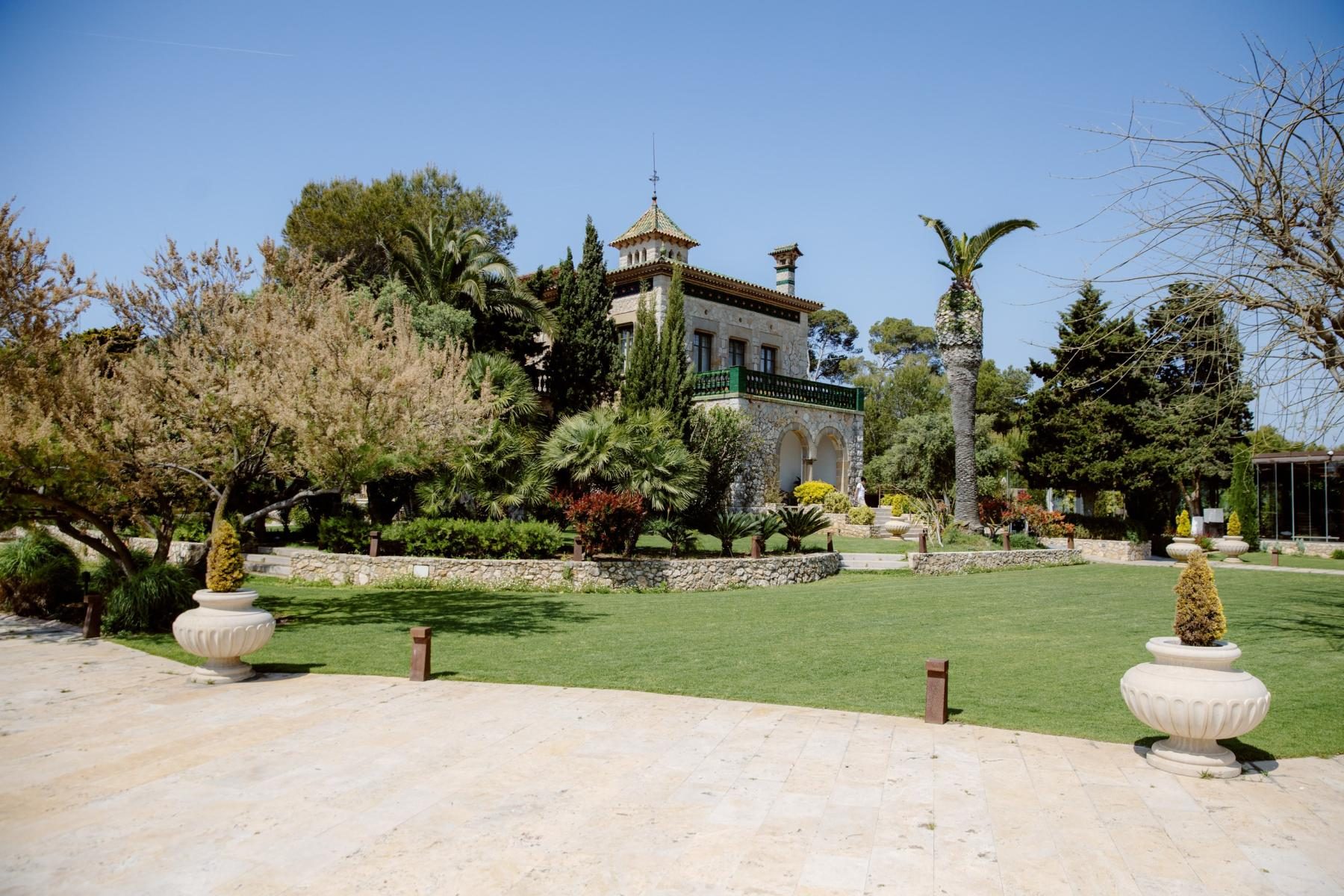
Barcelona and the surrounding areas offer historic buildings, hotels, castles, vineyards, country estates and private properties overlooking the Mediterranean.
Their pricing structures can be very different.
Different Types of Venue Proposals
Not all wedding venues in Barcelona use the same pricing model. Understanding the differences between the available proposals is essential before comparing costs.
Venue Hire Only
Some properties offer only the use of the venue.
In this case, the couple may need to contract the catering, furniture, tableware, lighting, sound, technical production, security and other services separately.
This option can provide greater flexibility, but it may also require a larger production budget and more extensive coordination.
Venue Hire with Catering
Other venues work with an exclusive caterer or offer a selection of approved catering companies.
The catering proposal may include food, drinks, service staff and kitchen equipment, while furniture, tableware and technical services may be included or quoted separately.
The venue rental fee and catering proposal must be considered together to understand the real cost.
Wedding Packages or Forfait Proposals
Some venues offer a more structured wedding package or forfait.
Depending on the proposal, this may include the venue, catering, drinks, furniture, tableware, DJ, sound, lighting, floral decoration or other essential services.
These packages can simplify the planning process and make the initial budget easier to understand. However, couples should still review exactly what is included, the available choices, possible upgrades and any services that must be contracted separately.
A venue-hire-only proposal cannot be compared directly with a forfait containing several included services. The correct comparison is always based on the complete cost of producing the wedding in each venue.
Some venues charge a rental fee and allow couples to select their own suppliers. Others work with an exclusive caterer, DJ or technical production company. Certain venues include furniture or accommodation, while others provide only the property itself.
Before signing a venue contract, couples should review:
- Venue hire fee.
- Applicable taxes.
- Hours included.
- Additional event hours.
- Closing time.
- Furniture and tableware.
- Kitchen facilities.
- Cleaning and security.
- Setup and dismantling.
- The contingency plan for rain.
- Required accommodation.
- Exclusive suppliers.
- Fees for bringing in external suppliers.
The rental fee alone does not reveal the true cost of using a venue.
A property with a lower initial price may require additional furniture, lighting, power generators, kitchen equipment, security or technical infrastructure. A more expensive proposal may already include several of these services.
The real venue cost should therefore be calculated according to everything required to hold the wedding there, not simply the advertised rental price.
Couples still deciding between different types of properties can find further guidance in our article about choosing a wedding location in Spain.
3. Catering and Drinks
Catering normally represents one of the largest parts of the wedding in Barcelona cost because it is primarily calculated according to the number of guests.
In Spain, wedding catering proposals generally include food and drinks throughout the main stages of the celebration:
- Food and a drinks bar during the cocktail reception.
- The dinner menu.
- Wine, water and other beverages during dinner.
- A drinks bar during the wedding party.
Wedding catering proposals in Spain include the service staff and kitchen equipment required to prepare and serve the agreed menu.
Furniture, linens, crockery, glassware, cutlery and other rental items may be included in the catering proposal or quoted separately, depending on the caterer, venue and selected setup.
Before accepting a proposal, couples should confirm:
- Duration of the cocktail reception.
- Number and variety of appetisers.
- Dinner menu.
- Wine and beverage selection.
- Duration of the party bar.
- Drinks brands included.
- Additional party hours.
- Late-night food.
- Children’s menus.
- Allergies and special diets.
- Staffing and equipment.
The Menu Tasting
Before the final menu is confirmed, the couple will attend a menu tasting where they can sample practically all the food included in the proposed wedding menu.
The tasting normally allows the couple to review:
- A representative selection of cocktail appetisers.
- Starters.
- Main courses.
- Desserts.
- Wines and other beverages.
- Presentation and service details.
- Allergies, intolerances and special dietary requirements.
This is the moment to select the final dishes, request any necessary adjustments and understand how the complete gastronomic experience will develop throughout the wedding day.
The tasting conditions should be reviewed in advance, including how many people may attend, which dishes can be sampled and whether additional guests or menu options involve an extra charge.
Gastronomic stations, premium cocktails, elaborate late-night food or additional open-bar hours can increase the overall investment significantly.
For this reason, proposals should be compared according to everything they include, rather than by looking only at the menu price per person.
4. Floral Design, Decoration and Furniture
The visual design of a wedding can be adapted considerably according to the available budget.
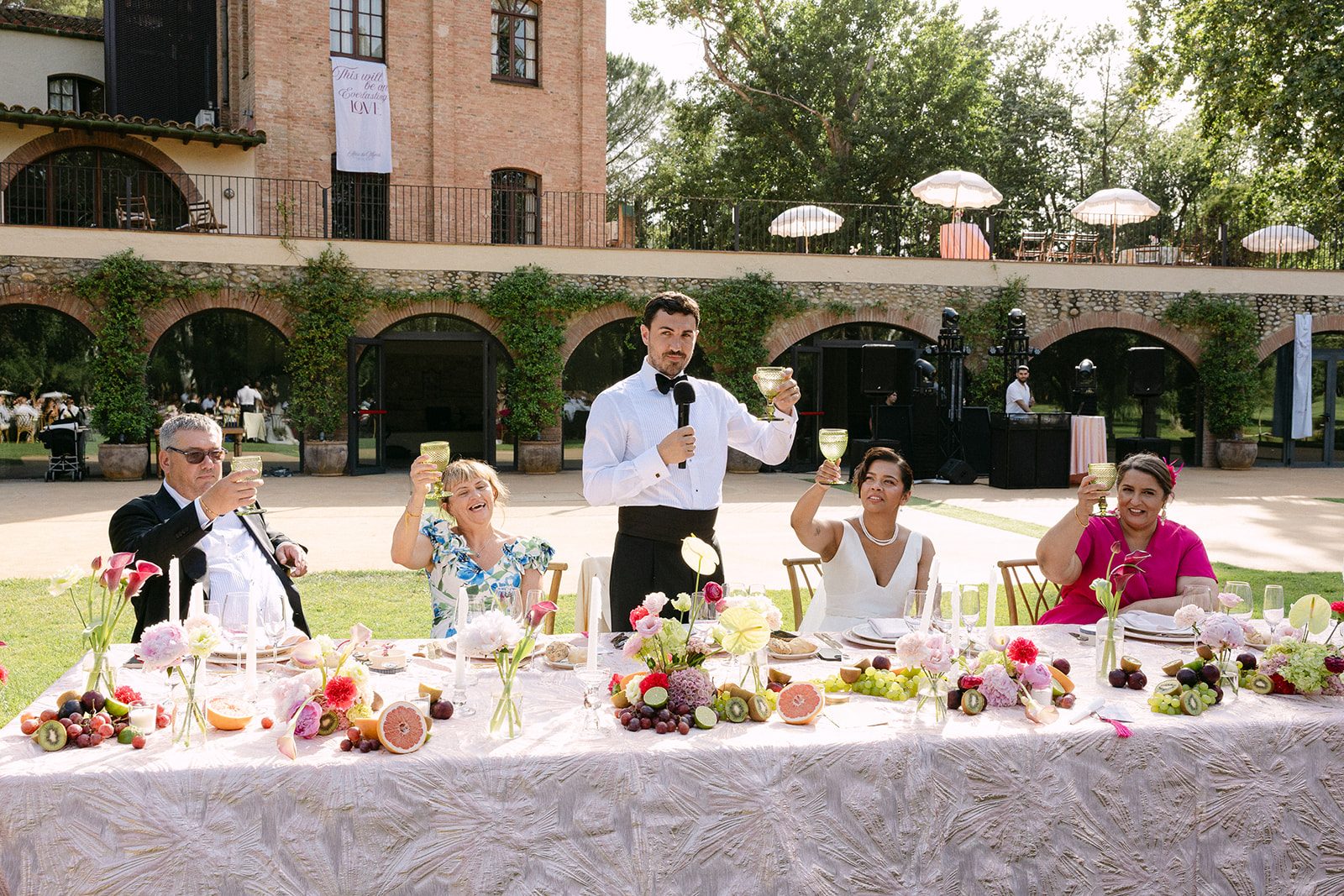
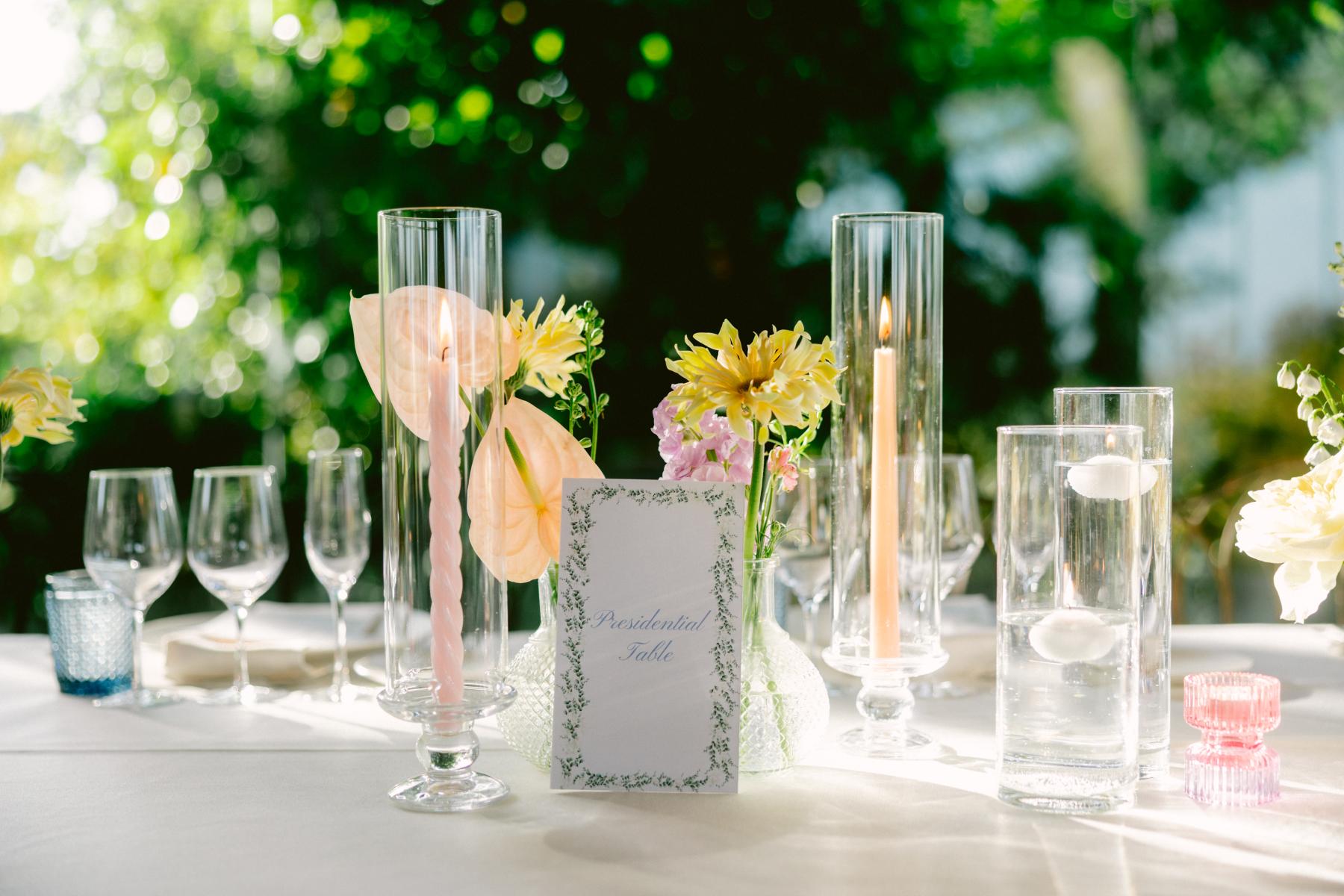
A carefully considered proposal might use seasonal flowers, candles and furniture already available at the venue. A more elaborate production could include large floral structures, suspended installations, bespoke furniture, selected tableware, textiles and architectural lighting.
The design budget may need to cover:
- Ceremony decoration.
- Floral arches or structures.
- Bridal bouquet.
- Buttonholes and wrist corsages.
- Table centrepieces.
- Candles.
- Seating plan.
- Signage.
- Cocktail-area decoration.
- Furniture and tableware.
- Decorative lighting.
- Party styling.
- Transportation, setup and dismantling.
It is important to confirm whether vases, candles, structures, furniture, transport and installation staff are included in each proposal.
An elegant result does not necessarily depend on adding more decoration. A clear visual direction and a careful allocation of the budget can create a more cohesive celebration than filling the venue with unrelated elements.
5. Photography, Videography, Music and Technical Production
Photography and videography usually maintain a similar cost even when the guest count is reduced.
The final proposal depends on the professional’s experience, hours of coverage, number of photographers or videographers, travel requirements and the type of material delivered.
Music may include:
- Ceremony musicians.
- Live music during the cocktail reception.
- Dinner performances.
- DJ for the wedding party.
- A live band.
- Saxophone or other entertainment.
The technical proposal may also include:
- Ceremony sound.
- Microphones.
- Cocktail and dinner equipment.
- DJ equipment.
- Dance-floor lighting.
- Decorative lighting.
- Technical staff.
- Setup and dismantling.
- Additional hours.
Some venues work exclusively with a particular DJ or sound and lighting company. These conditions should always be reviewed before an external professional is booked.
6. Wedding Planning and Coordination
Planning a wedding from another country involves much more than booking suppliers.
A complete wedding planning service may include:
- Venue search.
- Initial budget structure.
- Supplier selection.
- Proposal comparisons.
- Contract and payment-schedule reviews.
- Wedding design and moodboard.
- Supplier meetings.
- Guest accommodation guidance.
- Transportation planning.
- Wedding timeline.
- Final technical meetings.
- Complete wedding-day production and coordination.
Not every wedding planner offers the same scope of work. Couples should confirm whether the proposal covers full planning, partial planning, final coordination or a specific service.
A realistic planning fee should reflect the number of months involved, the complexity of the wedding, the number of suppliers and whether additional events are also being organised.
Our guide to working with a Wedding Planner Spain team explains the different areas that may be involved in planning a destination wedding.
7. Transportation, Accommodation and Additional Events
A destination wedding involves planning the guest experience beyond the venue itself.
When the celebration is held outside Barcelona city, coaches may be required between the hotels, ceremony and reception venue.
The cost depends on:
- Number of passengers.
- Vehicle capacity.
- Distance.
- Collection points.
- Outbound and return times.
- Number of return services.
- Transport required for the couple.
Guest accommodation is normally paid for individually. However, couples may offer hotel recommendations, promotional booking codes or room blocks.
A welcome dinner, rooftop gathering or post-wedding brunch can transform the celebration into a complete destination experience. Each event, however, may require its own venue, catering, drinks, transportation, music and coordination.
These events should be included in the initial financial plan rather than being added as unexpected expenses later.
The official Barcelona Tourism website can also help guests find practical information about travelling around the city, its neighbourhoods and available activities.
8. Taxes and Frequently Overlooked Expenses
Couples should always check whether taxes are included in supplier proposals.
Other costs that may not appear in an initial estimate include:
- Delivery and collection charges.
- Additional hours.
- Security.
- Power generators.
- Permits.
- Technical staff.
- External supplier fees.
- Insurance.
- Damaged or missing rental items.
- Last-minute changes.
- Security deposits or damage deposits that may not be returned in full if rental items are missing or damaged, additional cleaning is required or other unexpected costs arise.
Couples should also understand the conditions attached to every deposit. Some deposits are refundable after the wedding, but part of the amount may be retained if rental items are missing or damaged, additional cleaning is required or contractual conditions have not been met.
Keeping approximately 5% of the overall budget available for adjustments and unforeseen requirements can prevent unnecessary financial pressure during the final planning stages.
What Can Increase the Wedding in Barcelona Cost?
A Barcelona destination wedding may require a higher investment when it includes:
- A highly sought-after venue during peak season.
- A large international guest list.
- Several days of events.
- Extensive floral installations.
- Bespoke furniture and tableware.
- Live bands and multiple musicians.
- Complex lighting or technical production.
- Longer party hours.
- Accommodation paid by the couple.
- Multiple guest transfers.
- Suppliers travelling from another country.
- Religious or multicultural ceremonies with additional requirements.
None of these elements is essential for every wedding.
The budget should be determined by what is genuinely important to the couple rather than by trying to include every available option.
How to Know Whether Your Barcelona Wedding Budget Is Realistic
Before reserving a venue, couples should define:
- Approximate guest count.
- Overall available investment.
- Essential priorities.
- Elements that can be adapted.
- Preferred type of venue.
- Expected guest experience.
- Whether the project includes one wedding day or several events.
The next step is to prepare a preliminary distribution of the complete budget.
Booking suppliers independently without understanding their effect on the overall project can create problems later. An individual service may appear affordable but generate additional requirements for furniture, transportation, technical equipment, staff or accommodation.
The budget should therefore be updated throughout the planning process to include accepted proposals, taxes, payment schedules and any new services.
Frequently Asked Questions About Wedding Costs in Barcelona
How much does a destination wedding in Barcelona cost?
As a starting reference, a wedding for approximately 50 guests may require an overall investment from €35,000; a wedding for 80 guests from €50,000; and a celebration for 120 guests from €70,000.
These figures are indicative and do not represent fixed packages.
Is guest accommodation included in the wedding budget?
Guest accommodation is normally paid for individually. Couples may provide hotel recommendations, promotional codes or room blocks.
If the couple decides to pay for accommodation, this should be added as a separate budget category.
Does an intimate wedding always cost less?
Catering, drinks and certain decoration costs will decrease with a smaller guest list. However, many professional services have fixed costs.
An intimate wedding can therefore require a higher investment per guest.
Is it less expensive to get married outside Barcelona city?
Not necessarily.
A venue outside the city may offer different rental conditions but require guest transportation, accommodation or additional infrastructure. Couples should compare the complete cost rather than the venue fee alone.
Can Getting Married on a Weekday Reduce the Cost?
Yes, celebrating the wedding on a weekday can reduce the overall cost in some venues, particularly when different rental fees, minimum guest numbers or package conditions apply from Monday to Thursday.
It may also provide greater availability for sought-after venues and suppliers.
However, not every venue or professional offers a weekday reduction, so the complete proposal must still be reviewed individually. Couples should also consider whether the selected date is practical for international guests travelling to Barcelona.
How far in advance should the budget be prepared?
Ideally, couples should begin between 12 and 18 months before the wedding, especially for celebrations taking place between May and October.
Establishing a budget from the beginning makes it easier to choose a suitable venue and reserve priority suppliers before they lose availability.
Are welcome dinners and post-wedding events included?
They should not be assumed to be part of the wedding-day budget.
A welcome dinner, pre-wedding party or post-wedding brunch may require its own venue, catering, drinks, transportation and coordination. These events should be budgeted separately from the beginning.
Planning Your Wedding in Barcelona with Tu Boda Barcelona
At Tu Boda Barcelona, we plan destination weddings for international couples celebrating in Barcelona and other locations across Spain.
Each project begins by understanding the couple’s priorities, guest count, preferred venue style and overall planned investment.
From there, we organise the different areas of the wedding so that every decision remains coherent with both the budget and the experience the couple wants to create.
Our work can extend from the venue search and supplier selection to design, guest logistics and complete wedding-day production and coordination.
If you are beginning to plan your wedding in Barcelona, we would be delighted to learn more about your story, priorities and plans.
You can also explore some of our real weddings in Barcelona and discover how international couples created celebrations reflecting their own styles and cultures.